
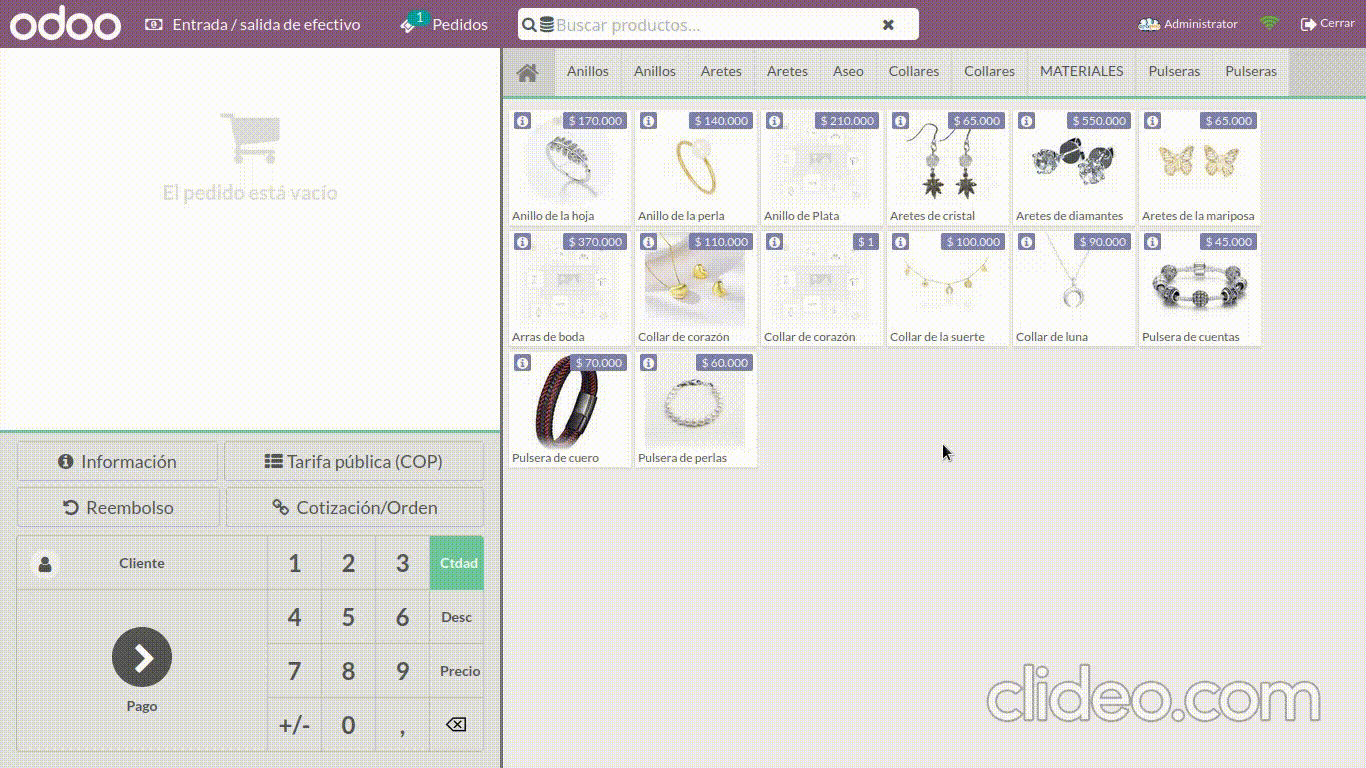
In today's business world, a point of sale (POS) system has become essential for optimizing operations and improving the customer experience. An efficient POS speeds up transactions and offers advantages that can drive business growth and success. This article explores the benefits of a POS system in detail and how it can make a difference to your company.
Transaction efficiency
A reliable, efficient POS system helps speed up business transactions. By automating calculations, invoicing and payment management, it supports a smooth, fast workflow. Staff no longer need to spend time on manual calculations or face compatibility problems between payment systems. A modern POS can also integrate with devices such as barcode scanners, receipt printers and credit card terminals, making operations easier. By improving transaction speed and accuracy, a POS lets your business serve more customers in less time, improving satisfaction and loyalty.

Inventory management
Inventory management is crucial to any business, and an efficient POS can make a difference. The right POS tracks stock and products sold in real time, giving you precise control of inventory levels and helping prevent shortages or excess stock. It can generate automatic alerts when a product reaches a minimum stock level, so you can reorder promptly and avoid lost sales from stockouts. Integrated inventory management also helps identify popular products and those performing poorly, providing valuable information for purchasing and promotional decisions.
Reporting and analysis
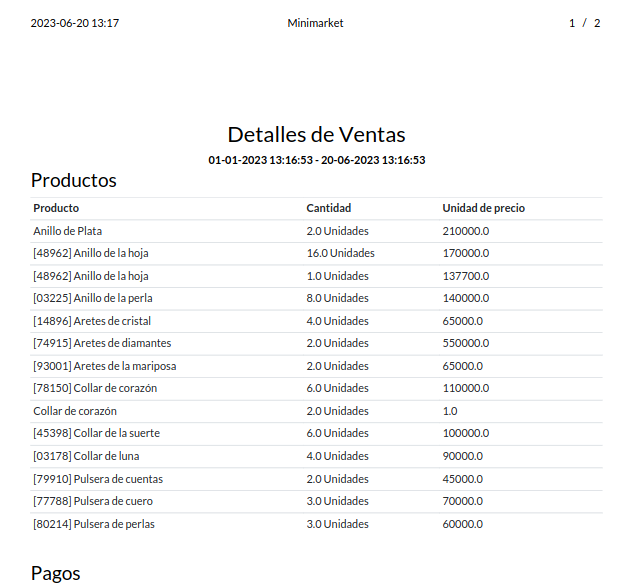
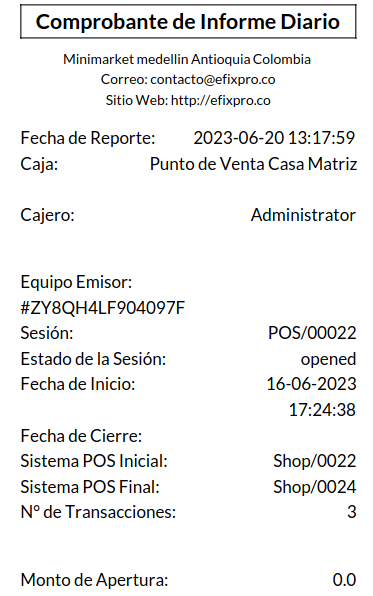
One of a POS system's most powerful features is detailed business reporting and analysis. Reports provide insight into performance, from daily sales to customer purchasing patterns. You can access key data such as total sales, best-selling products, profit margins and busy periods. This information helps identify trends, assess sales strategies and make informed decisions about promotions, pricing and marketing. Reports also provide an overview across multiple locations by consolidating data from different points of sale into a single report. This analytical capability provides a competitive advantage through accurate information to improve profitability and efficiency.
A versatile POS system can integrate with other business systems and tools, extending its benefits. Connect it with accounting software, customer relationship management (CRM) systems or e-commerce platforms. Integration synchronizes data across systems, simplifying administrative tasks and avoiding duplicated work. For example, integrating POS with accounting automatically records sales in the general ledger, speeding up reconciliation and making income easier to track. Integration with a CRM provides valuable customer information, such as purchase histories, preferences and contact details, so you can offer personalized service and create more effective loyalty strategies.


A modern POS does more than process transactions: it provides tools for managing customer information efficiently. Record names, addresses, purchase histories and preferences to build complete customer profiles and provide personalized service. This information lets you target specific customers with promotions and special offers, increasing opportunities for repeat sales and loyalty. A POS can also support loyalty and rewards programs with points or exclusive discounts. Integrated customer management helps build stronger relationships and improve the overall shopping experience.
Ease of use
A well-designed POS has an intuitive, easy-to-use interface. Staff can learn it quickly, reducing training time and minimizing errors. A simple, friendly interface also speeds up sales and helps employees serve customers more efficiently. Ease of use contributes to a smoother, more pleasant working environment, improving productivity and job satisfaction.
Accuracy and fewer errors
POS automation helps reduce human error in transactions and cash handling. Accurate calculations prevent discrepancies in payments and change. A POS also minimizes data-entry errors, such as incorrect prices or mislabeled products, supporting accurate invoicing and preventing customer disputes.
Error reduction also applies to inventory management. Real-time tracking of sales and stock helps prevent selling unavailable products or failing to replenish popular items. This maintains customer satisfaction by keeping desired products available and avoiding unnecessary losses.
Sales tracking
An efficient POS provides detailed sales tracking. Obtain accurate daily, weekly or monthly sales information and identify purchasing trends over time. This gives you a clear view of business performance and helps assess sales strategies. Compare periods to identify busy times or seasonal patterns.
Sales tracking also identifies top products generating the most revenue and products that are underperforming. Use this information to adjust inventory, promotions and marketing strategies to maximize sales and profitability.

Promotions and discounts

Promotions and discounts
A POS lets you configure and apply promotions and discounts efficiently. Set rules and conditions such as quantity discounts, "buy one, get one" offers or membership discounts. Promotions apply automatically at purchase, simplifying the process for staff and customers.A POS also accurately tracks the promotions and discounts used. Generate detailed reports on their impact on sales and profitability to evaluate effectiveness and make adjustments. This analysis helps you make informed decisions about which promotions to offer and how to optimize them to increase sales and customer loyalty.
Adaptability and scalability
A POS system is highly adaptable and scalable, making it suitable for businesses of different types and sizes. Customize it to your company's needs, from payment options to product and category organization. This lets you adapt the POS to your workflow and provide a personalized customer experience.A scalable POS also grows with your business. As you expand into new locations or add more points of sale, easily integrate them into your existing POS. This keeps data consistent and synchronized across operations, simplifies centralized management and provides a unified view of your business.
A POS system's adaptability and scalability give you the flexibility to meet changing business demands and expand smoothly.
Conclusion
Implementing a POS system offers a wide range of advantages that optimize operations and improve the experience for staff and customers. From efficient transactions and inventory management to detailed reporting and analysis, a POS is an essential tool for business growth and success. Put these advantages to work and discover how a POS can transform the way you sell, manage and grow your company.